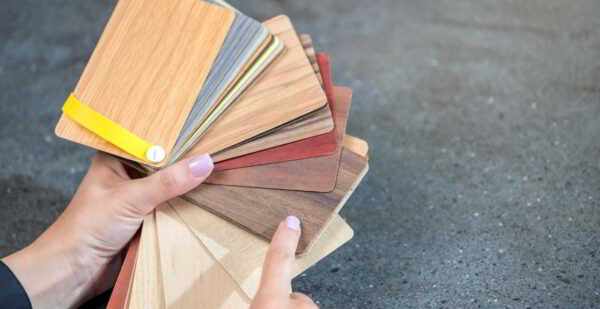
Everything You’ll Need
| Tool | Luxury Vinyl Plank (LVP) | Luxury Vinyl Tile (LVT) | Sheet Vinyl |
|---|---|---|---|
| Utility Knife | ✔ | ✔ | ✔ |
| Tape Measure | ✔ | ✔ | ✔ |
| Straight Edge | ✔ | ✔ | ✔ |
| Pry Bar | ✔ | ✔ | ✔ |
| Spacers | ✔ | ✔ | ❌ |
| Tapping Block | ✔ | ❌ | ❌ |
| Non-Marring Hammer | ✔ | ❌ | ❌ |
| Squeegee | ❌ | ✔ | ❌ |
| Grout Float | ❌ | ✔ | ❌ |
| Notched Trowel | ❌ | ✔ | ✔ |
| Floor Roller | ❌ | ❌ | ✔ |
| Heat Gun | ❌ | ❌ | ✔ |
| Seam Roller | ❌ | ❌ | ✔ |
Step 1: Prepare the Space
Take Off Baseboards and Old Flooring
To get ready for vinyl plank flooring, start by removing the baseboards and old floors. This makes a clean floor to work on.
Use a pry bar carefully to take off the baseboards without damaging the walls.
If you are taking out carpet, cut it into smaller sections with a utility knife and pull it up. Follow the correct steps for other flooring types.
Clean the Subfloor and Fix Cracks or Bumps
Sweep and vacuum the subfloor well to get rid of all dirt and dust. Check for any cracks or bumps.
Use a leveling compound to fill gaps or low spots, and sand down any high spots for a smooth surface.
Install Underlayment for Extra Cushion and Quiet
While not always needed, adding an underlayment can give extra cushion and make the floor quieter.
If you decide to use underlayment, roll it out on the subfloor and fix it with adhesive tape, making sure there are no gaps or overlaps.
Step 2: Pick a Pattern or Design
Vinyl flooring installation designs offer many ways to make your space look better.
From classic to modern, these designs help you create floors that match your home style.
Discover some popular vinyl flooring patterns and see how they can beautify your home.
Straight Lay Pattern

The straight lay pattern is the simplest way to install vinyl flooring. The planks are laid parallel to the walls, making a neat, even look that fits any room, like bedrooms or living areas.
Diagonal Pattern

For a lively and interesting look, try a diagonal pattern. The planks are placed at a 45-degree angle, adding movement and depth. This can make small rooms look bigger and add flair to large spaces.
Herringbone Pattern

The herringbone pattern is a timeless choice. Planks form a zigzag, V-shaped design. This pattern adds texture and elegance to any room, making it a favorite for entryways, kitchens, and dining rooms.
Chevron Pattern

The chevron pattern is stylish and modern. Unlike herringbone, planks create a continuous zigzag. This pattern gives a chic and modern feel to spaces, perfect for contemporary homes.
Parquet Pattern

Parquet patterns use vinyl planks in shapes like squares, rectangles, or diamonds. These designs can be simple or detailed, adding interest and elegance to floors, ideal for formal rooms and offices.
Mixed Patterns

Combining different vinyl patterns in one space creates a custom look. Mixing patterns lets you design floors that show your personal style.
For example, pair a straight lay pattern with a herringbone border or create a checkerboard with different colors.
Step 3: Choose an Installation Method
There are different ways to install vinyl plank flooring. Each way has benefits depending on the vinyl type and your needs.
GripStrip Method

GripStrip, or peel-and-stick, is very easy for DIY projects. Each plank has a sticky back; just peel and stick it on the floor.
This method is best for Luxury Vinyl Plank (LVP) flooring, which is thicker and more rigid.
It might not be right for thinner vinyl types like Luxury Vinyl Tile (LVT) or Sheet Vinyl.
Click-Lock Method

Click-Lock, or interlocking, uses planks with edges that snap together. No glue is needed, and it lets the floor float over the subfloor.
It works with LVP, LVT, and some Sheet Vinyl.
Take Note:
- Follow the manufacturer’s instructions to avoid gaps or uneven seams.
- Use spacers along the walls to keep an expansion gap, so the floor can move without warping.
Glue-Down Method

This method uses glue on the floor, pressing the vinyl planks into place. It is strong and good for busy areas.
It stays stable and can handle heavy use and moisture.
Take Note:
- Use a high-quality adhesive meant for vinyl flooring.
- Work in small areas to keep the glue sticky during installation.
- Use a roller to press the planks into the glue for a firm bond.
- Let the glue dry before walking on the floor or placing heavy items.
Step 4: Lay the First Row
Trim the Short Tongue Edge of the First Plank
Start by cutting off the short tongue edge of the first plank. This helps the plank fit neatly against the wall. Use a utility knife for a clean cut along the tongue edge.
Position the First Plank 1⁄4 Inch from the Wall
Place the first plank about 1⁄4 inch away from the wall. This gap allows the flooring to expand with temperature and humidity changes. Use spacers to keep this gap steady.
Use Spacers for Expansion
Put spacers between the planks and the walls to keep the 1/4-inch gap. These spacers help your flooring adjust properly.
Step 5: Cutting Planks to Fit
Use a Utility Knife to Score and Snap Planks
To make planks fit corners and edges, score them with a utility knife along the line you want to cut. Then, snap the plank along this line for a smooth break.
For Irregular Cuts
Use a jigsaw or oscillating multi-tool for tricky cuts, like around door frames or pipes. These tools are good for precise cuts and unusual shapes. Learn how to use a jigsaw here.
Cutting Planks Around Pipes
Measure the pipe’s diameter and add an inch. Drill a hole in the plank matching this size. Cut the plank to fit around the pipe, leaving a half-inch gap for expansion. Install the plank and secure the cut piece with silicone caulk.
For Tight Spaces Like Under Door Jambs
Use a jamb saw to cut planks for tight spots, like under door jambs. A jamb saw makes accurate cuts close to the floor, helping planks fit neatly.
Step 6: Laying Subsequent Rows
Slide the Tongue of the Plank into the Groove of the Row Before
For the next rows, slide each plank’s tongue into the groove of the row before. This will lock the planks and make a strong, smooth connection.
Use a Tapping Block and Soft Hammer
For a snug fit, gently tap the planks into place using a tapping block and soft hammer. Do not use a regular hammer directly on the planks, as it can harm them.
Step 7: Finishing the Installation
Install Transition Strips
After laying all planks, put transition strips at doorways and between rooms. This makes a smooth changeover and protects floor edges. Follow the manufacturer’s guide for installing transition strips.
Transitioning to Other Flooring
Use a T-molding or reducer strip when changing to a different floor type. Secure the transition strip to the subfloor, not the vinyl planks, for a solid and neat finish.
Leave a 1/4-inch expansion gap between vinyl planks and the transition strip. This allows for movement and prevents buckling.
Reinstall Baseboards
Put the baseboards back, attaching them to the wall, not the floor. This lets the floor expand and contract freely.
Allow the Floor to Acclimate for 48 Hours Before Use
Let the new floor settle for 48 hours before using or placing furniture on it. This helps the floor adjust to the room’s temperature and humidity.
Common Things to Avoid When Installing Vinyl Floors
Areas with Too Much Moisture
Vinyl plank flooring is not good for places with a lot of water, like bathrooms. Water can get into the seams and make the planks bend or come off.
Using Tools Directly on the Planks
Using a rubber mallet or hammer right on the planks can cause harm. Always use a tapping block to keep the planks safe when installing.
End Joints of Planks in Rows
Don’t overlap the end joints of planks in nearby rows. Overlapping can make the floor weak and uneven.
Walking on the Floor Right Away
Don’t walk on the floor for 48 hours after installation. This time helps the floor settle and last longer.
Tips for a Successful Vinyl Flooring Installation
- First, measure the room correctly and find out how much flooring you need. Add 10% more for cutting and waste.
- Check each plank before you install them and throw away any that are damaged. This helps the floor look perfect.
- Wear a knee pad for ease while installing. It protects your knees and makes the work more comfortable.
- Go slow and be careful to prevent mistakes. Rushing can cause errors and look less professional.
Installation Costs for Vinyl Plank Flooring
Installing vinyl plank flooring has different costs based on the method used:
- Peel-and-stick: Usually costs $1.50 to $8 per square foot.
- Glue-down: Prices range from $2.50 to $12.50 per square foot.
- Floating/Interlocking: Typically between $3 and $13 per square foot.
Labor costs are $1 to $3 per square foot, depending on how complex the job is.
Extra costs may include underlayment at $0.50 to $1.00 per square foot and transition strips and trim from $1 to $5 per linear foot for a neat finish.
Do You Need Professional Help With Your Vinyl Flooring Installation Project?
If you know how to install vinyl plank flooring, you’re on track to making a nice, strong floor. But if you’d rather let experts do it, we can help.
Our flooring installation team does it all — from getting the subfloor ready to putting planks in the right place — so you can relax and enjoy perfect results. We’ll help you pick the best vinyl flooring for your space, like luxury vinyl plank, sheet vinyl, or tile.
Contact us today to set up your free home visit and check if we serve your area.