
Understand Your Vinyl Flooring Type
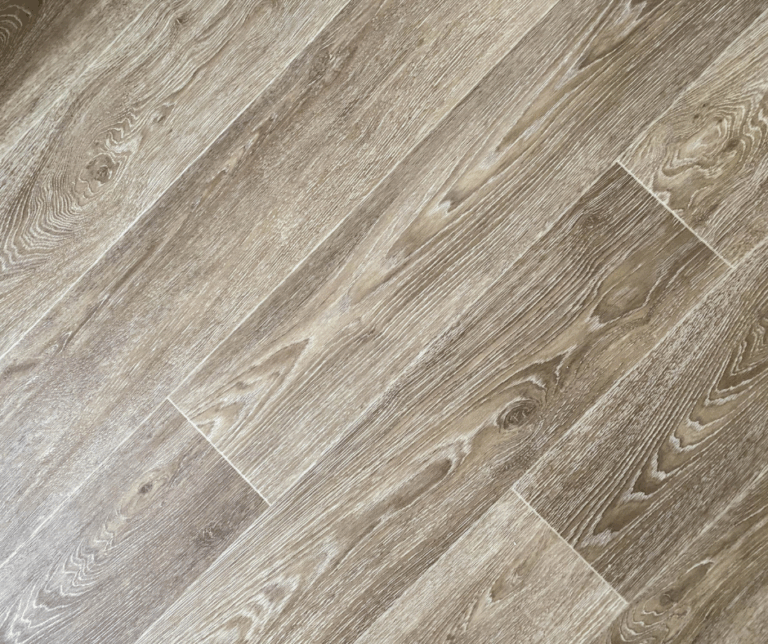
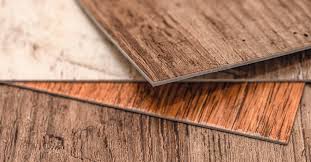
Before cleaning or taking care of vinyl flooring, you need to know which type you have. Luxury Vinyl Plank (LVP), Luxury Vinyl Tile (LVT), and sheet vinyl have similar durability benefits, but their construction and wear layers differ. Thicker wear layers handle more foot traffic and cleaning, while thinner ones need gentle care. Always check manufacturer guidelines, because using the wrong cleaners or tools can void warranties, even for waterproof vinyl.
Daily & Weekly Vinyl Floor Cleaning Basics
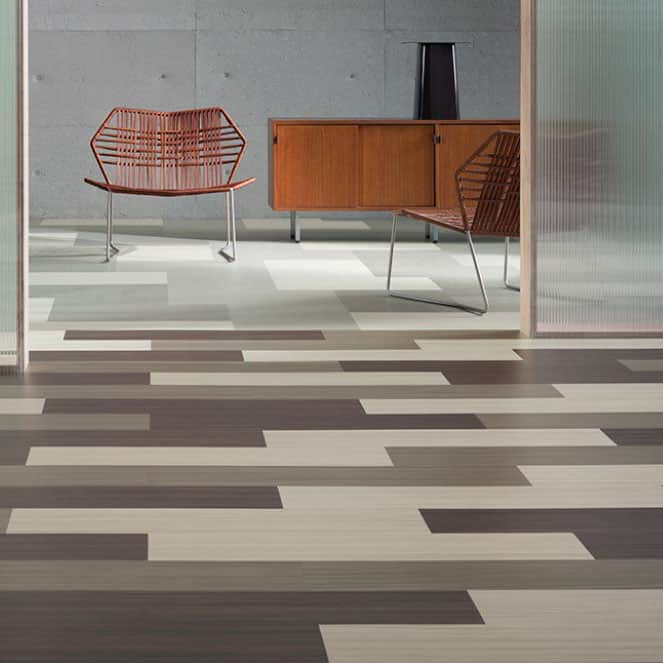
Regular cleaning is important for keeping vinyl floors in good shape. Dirt and grit can scratch the surface and make it dull. Sweeping or vacuuming (using a setting for hard floors) a few times a week helps stop scratches, especially where people walk a lot. Entry mats at doors keep out dirt and help your vinyl floors last longer.
How to Mop Vinyl Flooring the Right Way
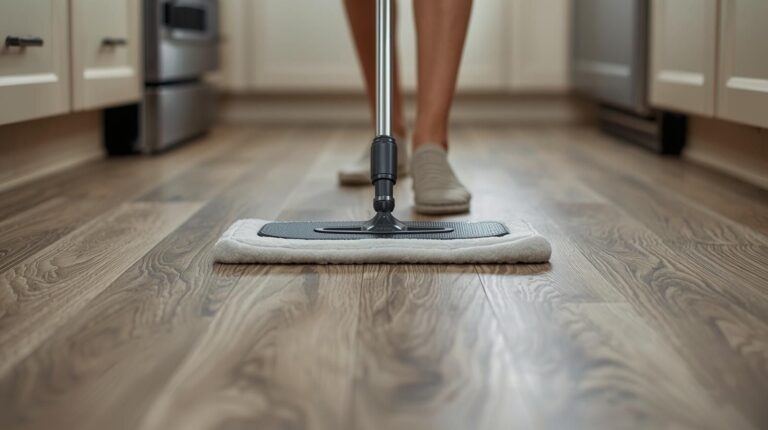
Use a microfiber mop and a pH-neutral cleaner for vinyl floors. Avoid too much water, as it can get into seams or edges. A light, damp mop is enough to clean without causing streaks or damage.
Vinyl Flooring Maintenance: LVP vs. Sheet Vinyl
| Feature | Luxury Vinyl Plank (LVP) | Sheet Vinyl |
|---|---|---|
| Seam Exposure | ⚠️ Moderate (click seams) | ✅ Minimal (few seams) |
| Water Sensitivity | ✅ Waterproof core | ✅ Waterproof surface |
| Daily Cleaning | Sweep / vacuum + damp mop | Sweep + damp mop |
| Risk from Excess Water | ⚠️ Moderate at seams | ✅ Low |
| Long-Term Maintenance | Low with proper care | Very low |
Why this matters: Homes with pets, kids, or many spills may prefer sheet vinyl, as LVP needs more care at seams and edges.

Removing Spills, Stains & Scuff Marks
Vinyl flooring resists stains, but quick cleanup is key for lasting quality. Wipe up spills like food, drinks, pet messes, and dirt right away using a soft cloth or microfiber mop. Leaving spills can lead to residue or seepage at seams and edges, especially with LVP.
For tough spots like dried spills or sticky grime, use a pH-neutral vinyl cleaner and avoid hard scrubbing. Scuff marks from shoes or furniture are common but easy to clean with a damp microfiber cloth or vinyl-safe cleaner. Don’t use abrasive pads, powdered cleaners, or harsh chemicals, as these can damage the wear layer. Regular spot cleaning keeps the finish even and prevents wear over time.
Protecting Vinyl Flooring from Scratches & Wear
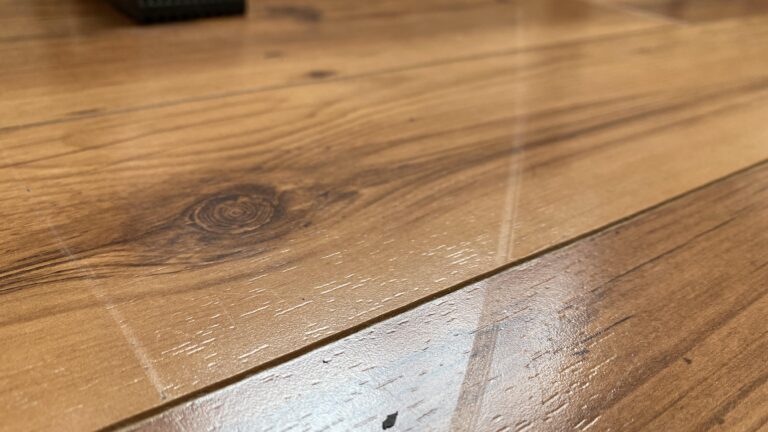
Stopping damage is just as important as cleaning for vinyl floor care. High-traffic spots, furniture legs, rolling chairs, and pet claws cause surface wear. Putting felt pads under furniture, using floor protectors under heavy items, and adding rugs or runners in entryways can greatly reduce long-term damage.
Sun exposure is often ignored. Too much direct sunlight can cause fading or color change, especially in rooms with big windows. Using blinds, curtains, or UV-protective window covers helps keep your vinyl floors looking good. With the right protection, vinyl flooring can stay nice for many years without needing repairs.
Common Vinyl Flooring Maintenance Mistakes to Avoid
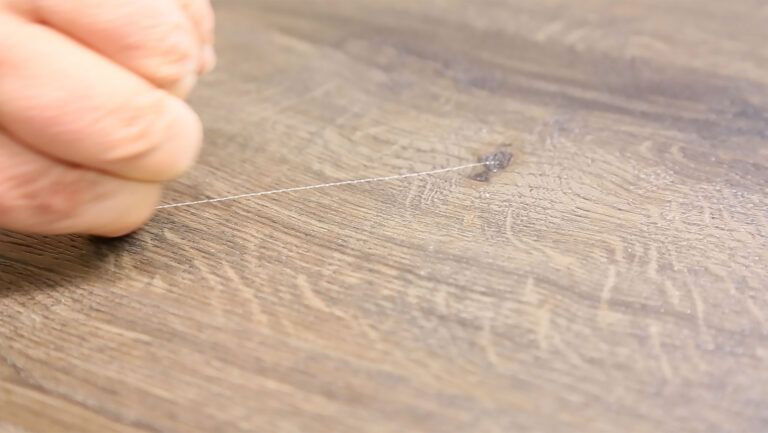
Many problems with vinyl floors come from using the wrong cleaning methods. Steam mops are a major mistake because they push heat and moisture into the seams, causing warping or glue problems. Avoid using wax, polish, or “shine-enhancing” products, as vinyl floors don’t need these to look good.
Cleaning with ammonia, bleach, or rough cleaners can damage the protective layer and cause lasting harm. Even too much mopping with water can reduce how long vinyl floors last. Sticking to the cleaning methods recommended by the manufacturer helps protect your floors and keeps your warranty safe.
Long-Term Vinyl Floor Care & Maintenance Schedule
Vinyl flooring doesn’t need refinishing, but regular care is important. Monthly checks can find issues like loose planks or seam gaps early. In busy homes, deeper cleaning every few months clears residue that daily cleaning might miss.
Homes with kids or pets should clean more often to keep the floor’s wear layer in good shape. With proper care, vinyl flooring can stay looking almost new for 15–25 years, making it a durable and cost-effective choice.
When Vinyl Flooring Needs Repair or Replacement
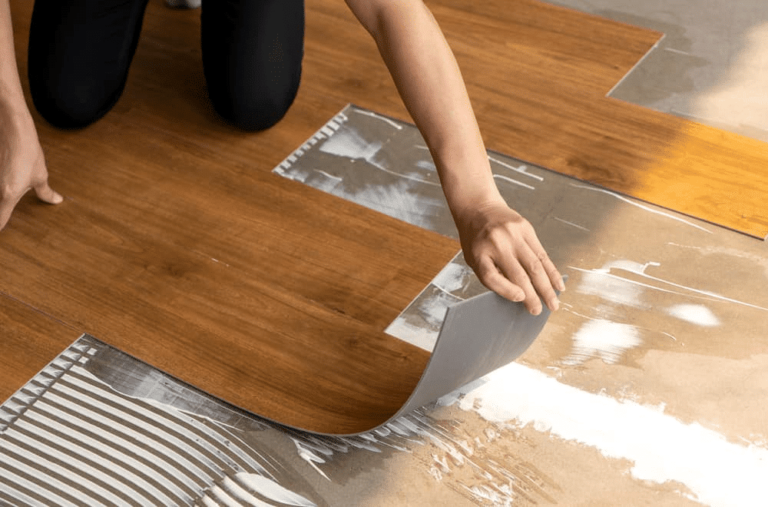
Vinyl flooring is durable, but sometimes maintenance isn’t enough. Signs like curling edges, deep scratches, broken planks, or moisture issues may mean it’s time for repairs or replacement. You can often replace individual planks if damage is small, making vinyl a good long-term choice.
If there’s a lot of wear, damage to the subfloor, or moisture under the floor, it’s usually better to replace it. A flooring expert can check if repairs will work or if a new vinyl floor would be better in the long run.
Need expert help to keep your vinyl floors like new—or deciding if it’s time for floor repairs or replacement? Our flooring experts can look at your space, suggest the best maintenance, and give a price estimate based on your home and lifestyle. Schedule a free, no-obligation flooring estimate today for advice you can trust.