
Engineered vs. Solid Hardwood: Which One Is Right for You? (Quick Overview)
Choosing between engineered and solid hardwood flooring comes down to how your space is used and what kind of performance you need from your floors. While both offer the natural beauty of real wood, their structure and behavior in everyday conditions are very different — and that’s what ultimately determines the best fit for your home.
Key Differences in Simple Terms
Solid hardwood is made from a single piece of wood, which makes it incredibly durable and able to be refinished multiple times over its lifespan. Engineered hardwood, on the other hand, is built in layers with a real wood surface on top, giving it better stability and resistance to moisture and temperature changes. In short, solid hardwood is known for longevity, while engineered hardwood is known for versatility.
When Each Option Makes the Most Sense
Solid hardwood is typically the better choice for above-grade areas like living rooms and bedrooms where moisture isn’t a concern and long-term value is a priority. Engineered hardwood is more flexible — it can be installed in basements, over concrete, and in areas where humidity levels fluctuate. If your home has challenging conditions, engineered often becomes the more practical option.
Quick Decision Guide for Homeowners
If you want a floor that can last for decades and be refinished multiple times, solid hardwood is a strong investment. If you need something more adaptable, easier to install, and better suited for moisture-prone areas, engineered hardwood is usually the smarter choice. For many homeowners, the decision comes down to where the flooring is going — and how much flexibility you need.
Quick Comparison: Engineered vs Solid Hardwood Flooring
| Feature | Engineered Hardwood | Solid Hardwood |
|---|---|---|
| Construction | Multi-layer core with real wood top layer | 100% solid wood throughout |
| Moisture Resistance | Excellent (handles humidity & spills better) | Low (prone to warping & expansion) |
| Installation Options | Glue-down, floating, or nail-down | Primarily nail-down only |
| Subfloor Compatibility | Works over concrete & plywood | Best for plywood subfloors only |
| Refinishing Ability | Limited (depends on wear layer) | Can be refinished multiple times |
| Durability | High (stable under changing conditions) | Very high (long lifespan if maintained) |
| Best Locations | Basements, kitchens, condos | Living rooms, bedrooms, main floors |
| Cost (Material) | Moderate | Higher upfront cost |
| Lifespan | 20–40 years (depending on quality) | 50+ years with refinishing |
| Stability | Very stable (less expansion/contraction) | Expands & contracts with humidity |
| DIY-Friendly | Yes (floating options available) | Less DIY-friendly |
What This Means for You
If you need flexibility, moisture resistance, and easier installation, engineered hardwood is often the better fit. If your priority is long-term value and the ability to refinish your floors for decades, solid hardwood stands out. The right choice comes down to your home’s conditions and how long you plan to stay.
What Is Solid Hardwood Flooring? (Pros, Cons & Best Use Cases
Solid hardwood flooring is the traditional, time-tested option that many homeowners associate with long-term quality and value. Made from a single piece of natural wood, it offers unmatched authenticity and the ability to last for generations when properly maintained. However, its performance depends heavily on where and how it’s installed.
How Solid Hardwood Is Made
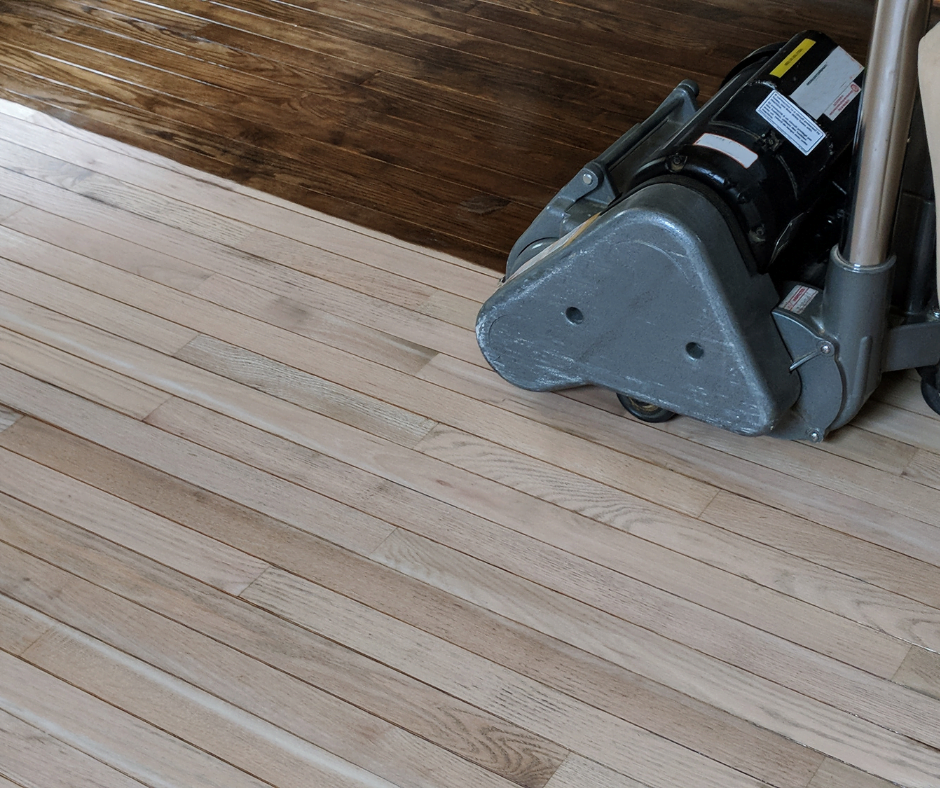
Solid hardwood planks are milled from a single piece of wood, typically ¾ inch thick, giving each board consistent strength and structure throughout. Because it’s all real wood from top to bottom, it can be sanded and refinished multiple times over its lifespan, restoring its appearance and extending its durability for decades.
Key Advantages: Longevity & Refinishing Potential
One of the biggest advantages of solid hardwood is its lifespan. With proper care, it can last 50 years or more, making it a long-term investment. The ability to refinish the surface multiple times allows homeowners to remove scratches, dents, and wear, essentially giving the floor a fresh start without needing full replacement.
Limitations: Moisture Sensitivity & Expansion
Despite its durability, solid hardwood is more sensitive to moisture and humidity changes. It naturally expands and contracts with seasonal shifts, which can lead to warping, cupping, or gaps if not properly managed. This makes it less suitable for areas with high moisture levels or fluctuating conditions.
Best Rooms and Environments for Solid Hardwood
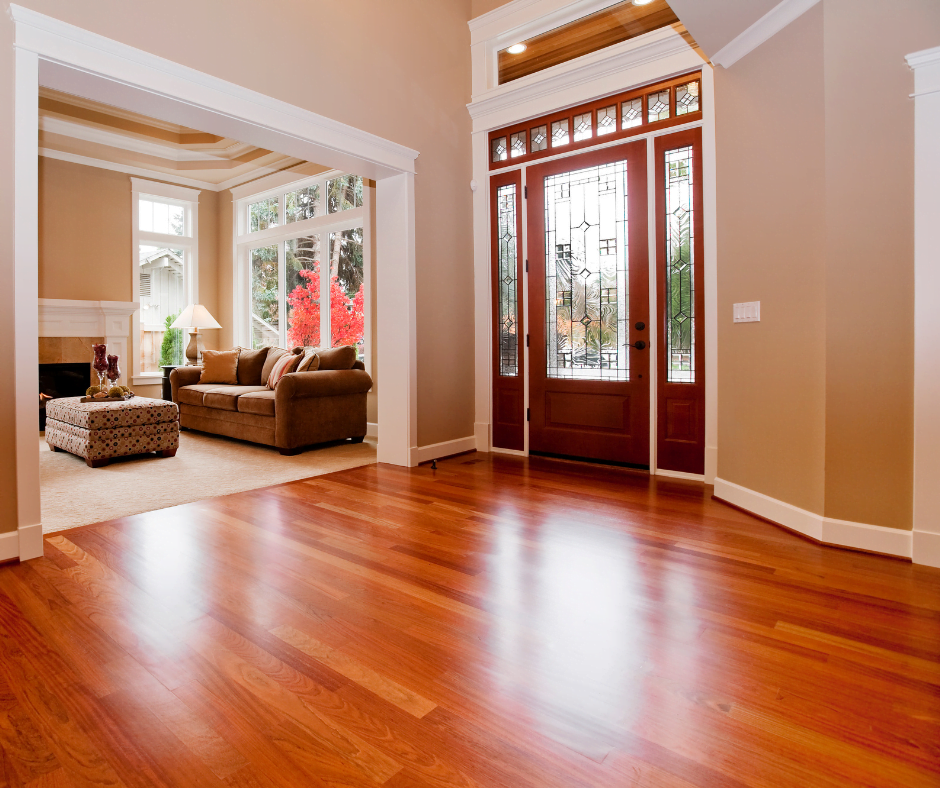
Solid hardwood performs best in stable, above-grade environments like living rooms, dining areas, and bedrooms. These spaces typically have consistent temperature and humidity levels, allowing the wood to maintain its shape and performance over time. In the right setting, solid hardwood delivers both timeless beauty and long-lasting value.
What Is Engineered Hardwood Flooring? (Pros, Cons & Best Use Cases)
Engineered hardwood flooring is designed to offer the look of real wood with added stability and versatility. While it shares the same natural wood surface as solid hardwood, its layered construction allows it to perform better in environments where traditional wood might struggle.
How Engineered Hardwood Is Constructed
Engineered hardwood is made up of multiple layers. The top layer is real hardwood (called the wear layer), while the core consists of plywood or high-density fiberboard stacked in opposing directions. This layered structure increases strength and reduces the natural movement that occurs in solid wood.
Why It Performs Better with Moisture and Humidity
Thanks to its construction, engineered hardwood is far more resistant to moisture and temperature changes. It expands and contracts less than solid hardwood, making it a more stable option in areas with fluctuating humidity. This added stability is what allows it to be installed in spaces where solid hardwood typically isn’t recommended.
Durability & Wear Layer Explained
The durability of engineered hardwood largely depends on the thickness of its wear layer. A thicker wear layer can handle more wear and, in some cases, light refinishing over time. While it may not last as long as solid hardwood in terms of refinishing potential, high-quality engineered flooring still offers strong durability for everyday use in busy households.
Best Applications for Engineered Hardwood
Engineered hardwood is ideal for areas where moisture or subfloor conditions are a concern. This includes basements, kitchens, condos, and homes with concrete subfloors. Its installation flexibility and resistance to environmental changes make it one of the most practical hardwood options for modern homes.
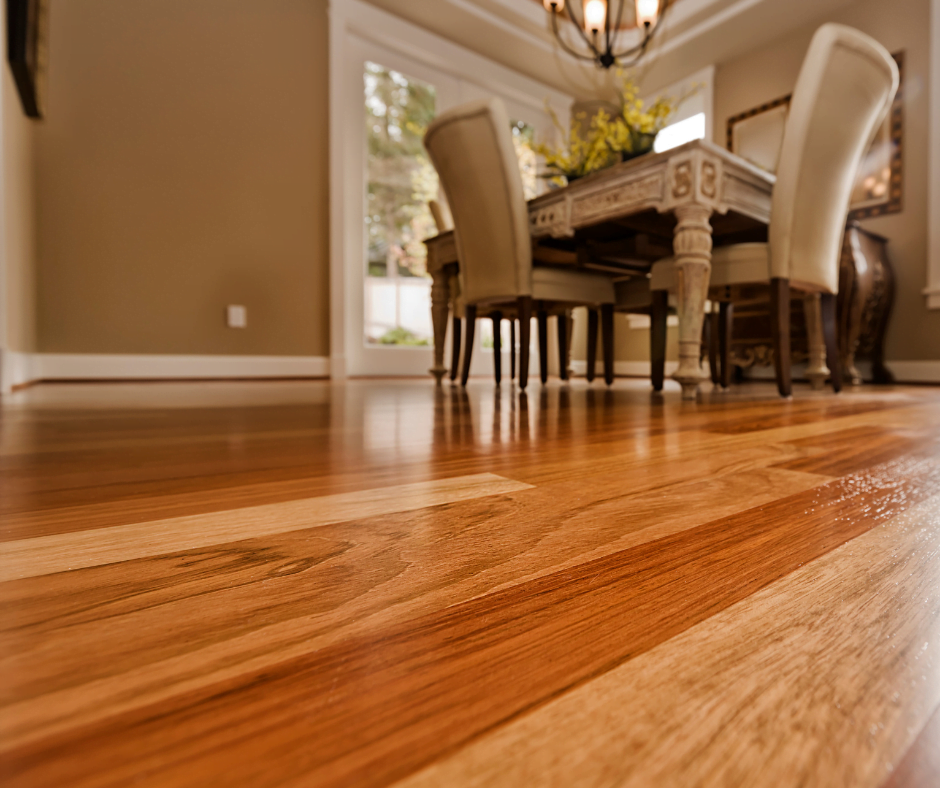
Engineered vs Solid Hardwood: Key Differences That Matter
While engineered and solid hardwood may look nearly identical on the surface, their performance can differ significantly depending on your home’s conditions. Understanding these key differences helps you avoid costly mistakes and choose flooring that actually fits your lifestyle.
Structure & Construction
The core difference lies in how each plank is built. Solid hardwood is a single piece of wood, while engineered hardwood uses a layered construction that improves stability.
Moisture Resistance & Stability
Engineered hardwood handles humidity and temperature changes much better, making it more reliable in challenging environments. Solid hardwood is more prone to expansion and contraction.
Refinishing & Lifespan
Solid hardwood has the advantage of being refinished multiple times, giving it a longer potential lifespan. Engineered hardwood has more limitations depending on the thickness of its wear layer.
Installation Flexibility & Cost
Engineered hardwood offers more installation options and typically works in more areas of the home. Solid hardwood often requires more specific conditions and can come with higher upfront costs.
Quick Comparison: Key Differences
| Feature | Engineered Hardwood | Solid Hardwood |
|---|---|---|
| Construction | Multi-layer core | Solid wood throughout |
| Moisture Resistance | High | Low |
| Stability | Very stable | Expands & contracts |
| Refinishing | Limited (depends on wear layer) | Multiple times |
| Lifespan | 20–40 years | 50+ years |
| Installation Options | Glue, float, nail | Nail-down mostly |
| Cost | Moderate | Higher upfront |
| Best For | Basements, kitchens, condos | Living areas, bedrooms |
What This Means for You
If your home has moisture, concrete subfloors, or changing conditions, engineered hardwood is usually the safer and more flexible choice. If you’re focused on long-term value and want a floor that can be restored over decades, solid hardwood remains the premium option.
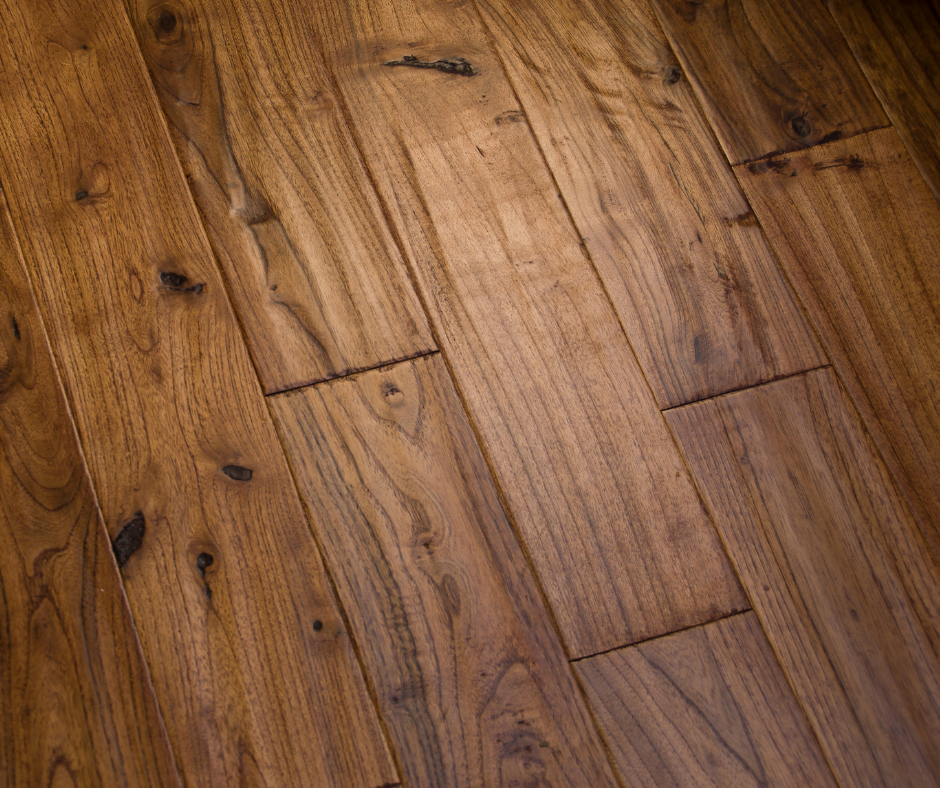
Durability & Moisture Performance: Which Hardwood Flooring Holds Up Better Over Time?
When comparing engineered vs solid hardwood, long-term performance comes down to two critical factors: how well the floor resists daily wear and how it handles moisture and climate changes. These elements have the biggest impact on how your floors look and perform years after installation.
Resistance to Scratches, Dents & Daily Wear
Both engineered and solid hardwood are durable, but their performance depends on the environment. Solid hardwood is strong and can last for decades, but it’s more susceptible to scratches and dents in active households with kids and pets. Engineered hardwood, while slightly thinner on the surface, often performs better in busy homes because its layered construction adds stability under constant use.
High-Traffic Homes, Kids & Pets
In high-traffic areas, engineered hardwood tends to hold up more consistently due to its resistance to movement and shifting. Solid hardwood can still perform well, but it may show wear faster in demanding environments unless properly maintained and refinished over time.
Moisture, Humidity & Seasonal Changes
This is where the biggest difference shows. Engineered hardwood is designed to handle humidity, spills, and temperature fluctuations with minimal expansion or contraction. Solid hardwood, on the other hand, naturally reacts to moisture — which can lead to warping, cupping, or gaps if conditions aren’t stable.
Best Choice by Environment
For basements, kitchens, coastal homes, or areas with higher humidity, engineered hardwood is typically the safer and more reliable option. Solid hardwood is best suited for above-grade spaces with controlled environments, where moisture is not a concern and long-term refinishing potential can be fully utilized.
What This Means for You
If your home has consistent conditions and you want maximum lifespan, solid hardwood is a strong investment. But if you need a floor that can handle real-life conditions — kids, pets, spills, and climate changes — engineered hardwood often delivers better day-to-day performance with fewer risks.
Installation Differences: What Homeowners Need to Know
Installation plays a major role in where and how each flooring type can be used. Engineered hardwood offers more flexibility, while solid hardwood requires more specific conditions and expertise.
Quick Installation Breakdown
| Topic | Engineered Hardwood | Solid Hardwood |
|---|---|---|
| Installation Methods | Glue-down, floating, or nail-down | Primarily nail-down |
| Subfloor Requirements | Works on plywood & concrete | Requires plywood subfloor |
| Installation Time | Faster, more efficient | Slower, more labor-intensive |
| DIY vs Professional | More DIY-friendly | Best installed by professionals |
What This Means for You
If you want flexibility and faster installation, engineered hardwood is usually the easier route. If you’re going for a traditional, long-term investment and have the right conditions, solid hardwood is worth the extra effort.
Cost Breakdown: Engineered vs Solid Hardwood
When comparing engineered and solid hardwood, the total cost goes beyond just the material. Installation, long-term maintenance, and lifespan all play a role in what you’ll actually spend over time.
Material vs Installation Costs
Engineered hardwood typically has a lower upfront cost, both in materials and installation. Its flexible installation methods make labor faster and more affordable. Solid hardwood, while often more expensive upfront, involves more labor-intensive installation, which increases total project cost.
Budget vs Premium Options
Both options come in a wide range of price points. Engineered hardwood offers more budget-friendly entry options, while solid hardwood tends to sit in the mid-to-premium range due to its thickness and longevity. High-end versions of both can overlap in price depending on wood species and finish.
Cost vs Lifespan (Long-Term Value)
Solid hardwood can last decades and be refinished multiple times, making it a strong long-term investment. Engineered hardwood still offers great durability, but its lifespan depends on the thickness of the wear layer. While it may not last as long as solid wood, it often provides better value in environments where moisture or installation limitations are a factor.
Quick Price Comparison (What You Can Expect)
| Cost Factor | Engineered Hardwood | Solid Hardwood |
|---|---|---|
| Material Cost (per sq ft) | $3 – $10 | $5 – $15+ |
| Installation Cost | $3 – $6 | $5 – $10 |
| Total Installed Cost | $6 – $16 | $10 – $25+ |
| Refinishing Potential | Limited (depends on wear layer) | Multiple times (long lifespan) |
| Long-Term Value | Great for most homes & budgets | Best for maximum lifespan |
What This Means for You
If you’re looking for a more budget-friendly, flexible solution, engineered hardwood delivers strong value with lower upfront costs. If your priority is long-term investment and the ability to refinish over decades, solid hardwood is worth the higher initial price.
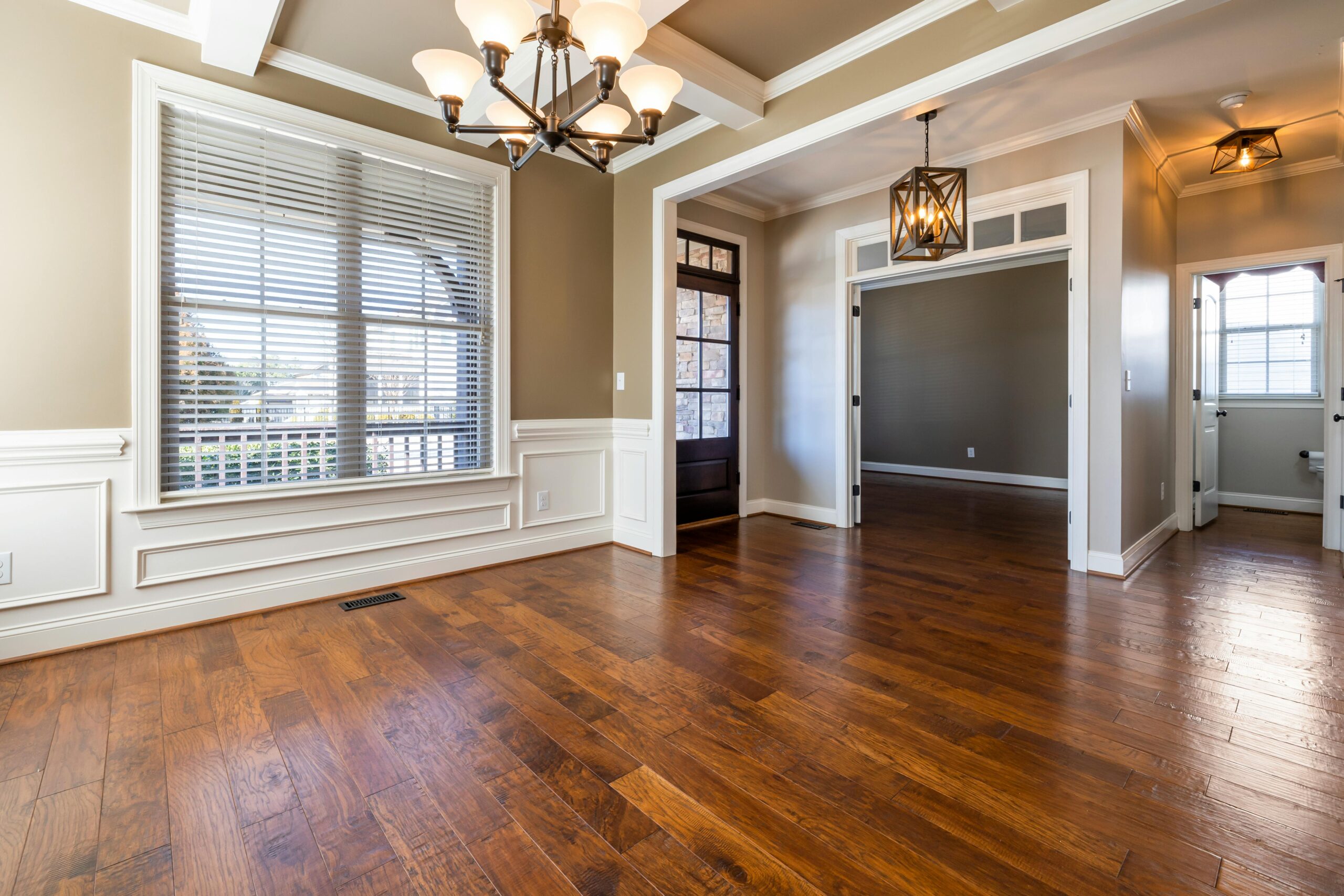
Maintenance & Lifespan: What to Expect Long-Term
When choosing between engineered and solid hardwood, maintenance and lifespan play a major role in long-term satisfaction. While both options are relatively easy to care for day-to-day, their long-term upkeep and durability differ significantly.
Cleaning & Everyday Upkeep
Both engineered and solid hardwood require similar maintenance — regular sweeping or vacuuming and occasional damp mopping with hardwood-safe products. Neither handles excessive moisture well, so spills should always be cleaned quickly to prevent damage.
Refinishing Potential (Key Difference)
This is where the biggest gap shows. Solid hardwood can be sanded and refinished multiple times over its lifespan, allowing you to restore its appearance even after years of wear. Engineered hardwood can sometimes be refinished, but only if it has a thick enough wear layer — and usually fewer times.
Lifespan Expectations
Solid hardwood can last 30–100+ years when properly maintained, making it a true long-term investment. Engineered hardwood typically lasts 20–40 years, depending on quality and usage. Higher-end engineered products with thicker wear layers tend to last longer.
When Replacement Becomes Necessary
Engineered hardwood may need to be replaced once the wear layer is too thin to refinish or shows significant wear. Solid hardwood, on the other hand, can often be restored instead of replaced, which adds to its long-term value.
Final Verdict: Engineered vs Solid Hardwood — Which Should You Choose?
Choosing between engineered and solid hardwood ultimately comes down to how your home functions day-to-day. Both offer the beauty of real wood, but the right choice depends on your environment, budget, and long-term goals.
A Simple Decision Guide Based on Your Lifestyle
If your home has fluctuating humidity, a concrete subfloor, or high-traffic areas with kids and pets, engineered hardwood is often the smarter and more practical choice. If you have a stable, above-grade environment and want a floor that can last for generations, solid hardwood becomes a strong long-term investment.
When Engineered Hardwood Is the Better Choice
Engineered hardwood is ideal for modern living — especially in basements, kitchens, condos, or homes where moisture and temperature changes are a concern. It offers flexibility, easier installation, and reliable performance in real-life conditions.
When Solid Hardwood Is Worth the Investment
Solid hardwood is best for homeowners focused on longevity and long-term value. Its ability to be refinished multiple times makes it a floor that can evolve with your home over decades, making it perfect for living rooms, dining areas, and other stable environments.
Key Takeaways for a Confident Decision
There’s no one-size-fits-all answer — the best choice is the one that aligns with how you live. Engineered hardwood offers versatility and convenience, while solid hardwood delivers unmatched lifespan and timeless appeal. Choosing the right one ensures your floors not only look great, but perform the way you need them to.
Need Help Choosing Between Engineered and Solid Hardwood?
Now that you understand the real differences — from installation and cost to durability and long-term value — you’re in a much better position to make the right decision. But with so many options in wood species, finishes, plank sizes, and construction types, it’s easy to feel unsure about what will truly work best in your home.
That’s where we come in. Our flooring experts help you compare engineered and solid hardwood based on your space, subfloor, lifestyle, and budget — so you don’t end up with a floor that looks good today but causes problems later.
We handle everything from personalized product recommendations and moisture evaluations to professional installation and long-term planning. Whether you’re leaning toward the flexibility of engineered hardwood or the timeless durability of solid wood, we’ll help you make a confident, stress-free decision.
Click here to schedule your free in-home consultation and take the next step toward a floor that’s built to last.